

What is the hydrogen embrittlement resistance of Gr 4 Titanium Sheet?
May 26, 2025
Leave a message
Hey there! As a supplier of Gr 4 Titanium Sheet, I often get asked about its hydrogen embrittlement resistance. So, let's dive right into it and break down what this is all about.

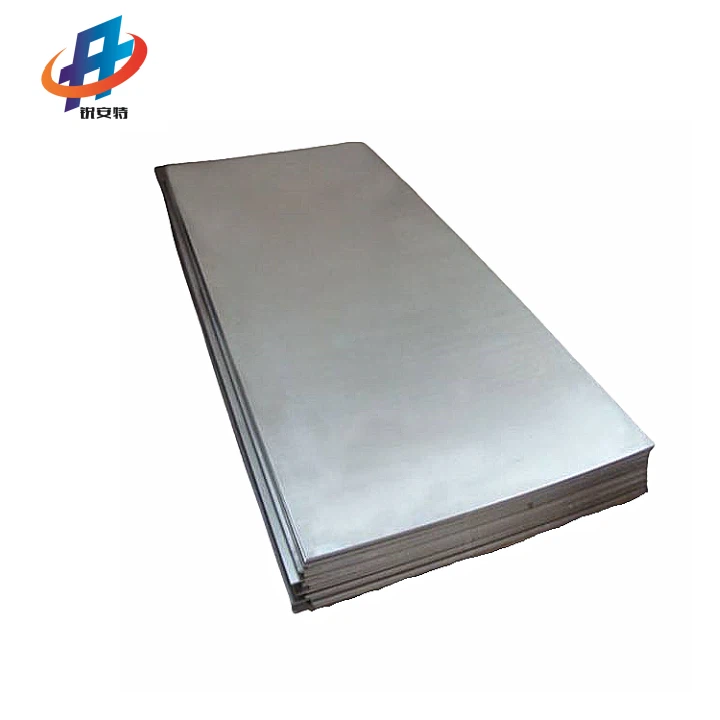
First off, what's hydrogen embrittlement? Well, it's a phenomenon where metals become brittle and prone to cracking when they're exposed to hydrogen. This can happen in various industrial processes like electroplating, welding, or when the metal is in contact with hydrogen - containing environments. Hydrogen atoms can diffuse into the metal lattice, and over time, they cause internal stress and reduce the metal's ductility and toughness.
Now, let's talk about Gr 4 Titanium Sheet. Grade 4 titanium is an unalloyed titanium that contains a relatively low amount of iron and oxygen. This gives it some unique properties, including its resistance to hydrogen embrittlement. Compared to some other metals and even some titanium alloys, Gr 4 titanium has a pretty good ability to resist the harmful effects of hydrogen.
One of the reasons for its good hydrogen embrittlement resistance is its microstructure. The hexagonal close - packed (HCP) crystal structure of titanium in Gr 4 provides a certain level of barrier to the diffusion of hydrogen atoms. Hydrogen atoms have a harder time moving through this tightly - packed structure compared to more open crystal structures found in some other metals.
Another factor is the surface properties of Gr 4 Titanium Sheet. Titanium has a natural tendency to form a protective oxide layer on its surface. This oxide layer acts as a shield, preventing hydrogen from easily penetrating into the metal. As long as this oxide layer remains intact, it can significantly reduce the amount of hydrogen that reaches the interior of the titanium sheet.
Let's compare Gr 4 Titanium Sheet with some other titanium sheets out there. For example, OT4 Titanium Sheet. OT4 is also a type of titanium alloy, but its composition and properties are different from Gr 4. While both have some level of hydrogen resistance, the specific alloying elements in OT4 may affect its hydrogen diffusion behavior. In some cases, Gr 4 might have an edge in hydrogen embrittlement resistance because of its relatively pure titanium composition.
Then there's Gr 5 Titanium Sheet. Gr 5, also known as Ti - 6Al - 4V, is a widely used titanium alloy. It has excellent strength and corrosion resistance, but its hydrogen embrittlement resistance is a bit more complex. The alloying elements in Gr 5 can interact with hydrogen in different ways. In some situations, they might enhance the material's performance, but in others, they could potentially make it more susceptible to hydrogen - induced cracking compared to Gr 4.
In real - world applications, the hydrogen embrittlement resistance of Gr 4 Titanium Sheet is a big deal. It's used in a variety of industries where exposure to hydrogen is possible. For example, in the chemical industry, where there are often hydrogen - containing gases or solutions. Gr 4 titanium sheets can be used to make storage tanks, pipes, and other equipment. The good hydrogen resistance means that these components are less likely to fail due to hydrogen - induced cracking, which can lead to leaks, spills, and other safety hazards.
In the aerospace industry, hydrogen can be present in certain fuels or in the high - altitude environment. Gr 4 titanium sheets can be used in aircraft components where lightweight and high - strength materials with good hydrogen resistance are required. This helps to ensure the safety and reliability of the aircraft over its service life.
However, it's important to note that the hydrogen embrittlement resistance of Gr 4 Titanium Sheet isn't absolute. There are still some factors that can affect it. For instance, the temperature and pressure of the environment. Higher temperatures and pressures can increase the diffusion rate of hydrogen into the metal, potentially reducing its resistance. Also, the surface finish of the titanium sheet matters. If the surface is damaged or has impurities, it can compromise the protective oxide layer and make the sheet more vulnerable to hydrogen penetration.
To maintain and enhance the hydrogen embrittlement resistance of Gr 4 Titanium Sheet, proper handling and processing are crucial. During manufacturing, it's important to control the heat treatment and forming processes to ensure a uniform microstructure. And during storage and transportation, steps should be taken to prevent damage to the surface of the sheets.
As a supplier of Gr 4 Titanium Sheet, I can assure you that we take all these factors into account. We make sure that our Gr 4 titanium sheets are of the highest quality, with the best possible hydrogen embrittlement resistance. Our manufacturing processes are carefully monitored to produce sheets with a consistent and favorable microstructure. And we use proper packaging and handling techniques to protect the surface of the sheets during transit.
If you're in an industry where hydrogen embrittlement is a concern and you need a reliable material, Gr 4 Titanium Sheet could be the perfect choice for you. Whether you're in the chemical, aerospace, or any other industry that requires high - performance materials, our Gr 4 titanium sheets can meet your needs.
If you're interested in learning more about our Gr 4 Titanium Sheet or have any questions regarding its hydrogen embrittlement resistance or other properties, don't hesitate to get in touch. We're here to help you make the right decision for your project.
References:
- ASM Handbook Volume 2: Properties and Selection: Nonferrous Alloys and Special - Purpose Materials
- Titanium: A Technical Guide by J. R. Davis
Send Inquiry