

How to improve the wear resistance of the BT9 Titanium Bar?
Jul 11, 2025
Leave a message
Hey there! I'm a supplier of BT9 Titanium Bars, and I've been getting a lot of questions lately about how to improve the wear resistance of these bars. So, I thought I'd share some tips and tricks based on my experience in the industry.
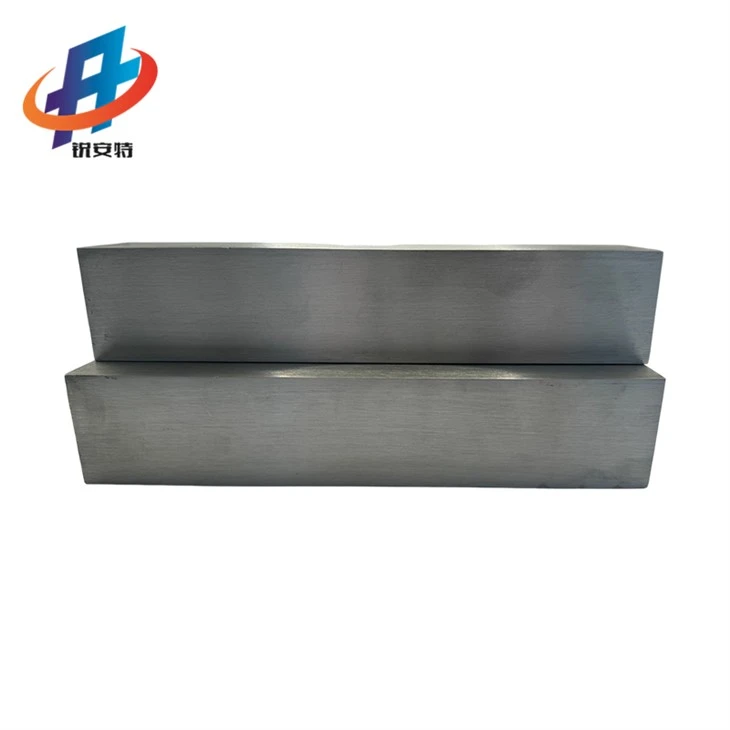
First off, let's understand what BT9 Titanium Bar is. BT9 is a high - strength titanium alloy that's widely used in aerospace, automotive, and other high - performance industries. But like any material, it can face wear and tear over time, especially in harsh environments.
Surface Treatment
One of the most effective ways to improve the wear resistance of BT9 Titanium Bars is through surface treatment. There are several methods, and each has its own pros and cons.
Nitriding
Nitriding is a process where nitrogen is introduced into the surface of the titanium bar. This creates a hard nitride layer that can significantly enhance wear resistance. When the bar is exposed to high - pressure nitrogen gas at elevated temperatures, nitrogen atoms diffuse into the surface, forming titanium nitride (TiN). TiN is extremely hard and has excellent wear - resistant properties.
The advantage of nitriding is that it doesn't change the dimensions of the bar significantly, which is crucial in applications where precise dimensions are required. However, it can be a time - consuming and expensive process. You need specialized equipment to control the temperature and gas pressure accurately.
Coating
Another option is to apply a wear - resistant coating to the BT9 Titanium Bar. There are different types of coatings available, such as ceramic coatings. Ceramic coatings are very hard and can provide a good barrier against wear. They can be applied using techniques like thermal spraying or physical vapor deposition (PVD).
Thermal spraying involves heating the coating material to a molten or semi - molten state and then spraying it onto the surface of the bar. PVD, on the other hand, creates a thin, uniform coating by depositing atoms or molecules from a vapor phase onto the surface.
The benefit of coating is that you can choose a coating with specific properties based on your application. For example, if you need high - temperature wear resistance, you can select a ceramic coating that can withstand high temperatures. But the coating may delaminate over time, especially if the surface preparation is not done correctly.
Alloying
Alloying is a way to change the internal structure of the BT9 Titanium Bar to improve its wear resistance. By adding certain elements to the alloy, you can enhance its hardness and toughness.
Adding Vanadium
Vanadium is a common alloying element that can improve the wear resistance of titanium alloys. When vanadium is added to BT9, it forms fine carbides and nitrides within the alloy matrix. These carbides and nitrides act as hard particles that resist wear. Vanadium also helps in refining the grain structure of the alloy, which further enhances its mechanical properties.
However, adding too much vanadium can make the alloy brittle, so the amount of vanadium needs to be carefully controlled.
Adding Molybdenum
Molybdenum is another element that can be added to BT9 Titanium Bars. Molybdenum increases the strength and hardness of the alloy, and it also improves its corrosion resistance. In terms of wear resistance, molybdenum - containing alloys can better withstand abrasive wear.
Just like with vanadium, the addition of molybdenum needs to be optimized. Too much molybdenum can increase the cost of the alloy and may also affect its machinability.
Heat Treatment
Heat treatment is a crucial process for improving the properties of BT9 Titanium Bars. By heating and cooling the bar at specific rates and temperatures, you can change its microstructure and enhance its wear resistance.
Solution Treatment
Solution treatment involves heating the bar to a high temperature, usually above the beta - transus temperature of the alloy, and then quenching it rapidly. This process dissolves the alloying elements in the matrix and creates a supersaturated solid solution. When the bar is quenched, the atoms are trapped in the lattice, which can increase the hardness of the alloy.
After solution treatment, the bar can be aged at a lower temperature to precipitate fine particles within the matrix. These particles further strengthen the alloy and improve its wear resistance.
Annealing
Annealing is a process where the bar is heated to a moderate temperature and then cooled slowly. This process relieves internal stresses in the bar and can improve its ductility. In some cases, a well - annealed bar can have better wear resistance because it can deform plastically without cracking under wear conditions.
Material Selection and Design
When it comes to improving wear resistance, the initial material selection and design also play important roles.
Choosing the Right Grade
If you're using BT9 Titanium Bars in a high - wear application, make sure you choose the right grade. Different grades of titanium alloys have different properties, and some may be more suitable for wear - resistant applications than others. For example, Gr 1 Titanium Flat Bar, Gr 1 Titanium Square Bar, and Gr 2 Titanium Round Bar have different compositions and properties compared to BT9. Depending on your specific needs, you may consider these alternative grades or a combination of them.
Design Optimization
The design of the component made from BT9 Titanium Bars can also affect its wear resistance. For example, if the bar is used in a sliding contact application, you can design the contact surfaces to have a larger contact area. This reduces the contact pressure and can decrease the wear rate. You can also use lubrication in the design to reduce friction and wear.
Maintenance and Monitoring
Finally, proper maintenance and monitoring are essential for ensuring the long - term wear resistance of BT9 Titanium Bars.
Regular Inspection
Regularly inspect the bars for signs of wear, such as scratches, grooves, or surface roughness. If you detect early signs of wear, you can take corrective actions, such as re - coating or heat - treating the bar.
Lubrication
If the application allows, use a suitable lubricant to reduce friction between the bar and the mating surface. Lubrication can significantly reduce wear and extend the service life of the bar.
In conclusion, improving the wear resistance of BT9 Titanium Bars involves a combination of surface treatment, alloying, heat treatment, proper material selection and design, and maintenance. By implementing these strategies, you can ensure that your BT9 Titanium Bars perform well in high - wear applications.
If you're interested in purchasing BT9 Titanium Bars or have any questions about improving their wear resistance, feel free to contact me for a detailed discussion. I'm here to help you find the best solutions for your specific needs.

References
- "Titanium Alloys: Fundamentals and Applications" by John C. Williams
- "Surface Engineering for Wear Resistance" by R. S. Mishra and S. K. Nath
- "Heat Treatment of Titanium Alloys" by G. E. Totten and D. S. MacKenzie
Send Inquiry