

Can titanium alloy plates be used in electronic devices?
Jul 11, 2025
Leave a message
Can titanium alloy plates be used in electronic devices? This is a question that has intrigued many in the electronics industry, and as a dedicated titanium alloy plate supplier, I'm excited to delve into this topic in depth.
1. Introduction to Titanium Alloy Plates
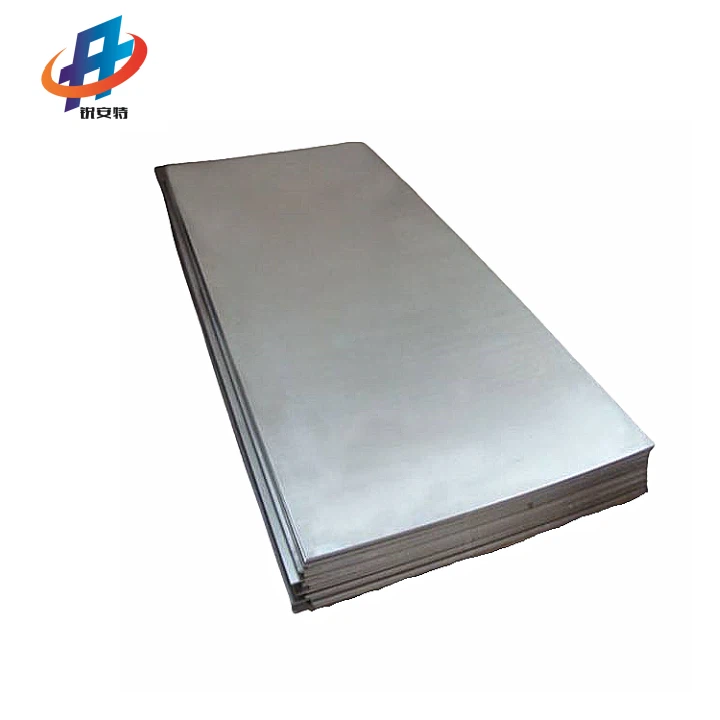
Titanium alloy plates are a remarkable material known for their unique combination of properties. They are created by blending titanium with other elements such as aluminum, vanadium, and tin to enhance specific characteristics. The resulting alloys offer a wide range of benefits, including high strength - to - weight ratio, excellent corrosion resistance, and good biocompatibility.
There are different grades of titanium alloy plates, each with its own set of properties and applications. For example, BT9 Titanium Plate is a high - strength alloy with good formability and weldability. It is often used in aerospace and other high - performance applications. On the other hand, Gr 5 Titanium Sheet and Gr 5 Titanium Sheet are among the most widely used titanium alloys, known for their superior mechanical properties and versatility.
2. Advantages of Using Titanium Alloy Plates in Electronic Devices
2.1 Lightweight and High Strength
In the electronics industry, weight is a crucial factor, especially for portable devices such as smartphones, laptops, and wearables. Titanium alloy plates have a high strength - to - weight ratio, which means they can provide the necessary structural support without adding excessive weight. This is particularly important for devices that need to be carried around, as it improves user comfort and portability.
For example, a smartphone with a titanium alloy frame can be more durable and resistant to impacts while remaining relatively light. This allows manufacturers to design sleeker and more robust devices that can withstand the rigors of daily use.
2.2 Corrosion Resistance
Electronic devices are often exposed to various environmental conditions, including moisture, humidity, and chemicals. Titanium alloy plates have excellent corrosion resistance, which protects the internal components of the device from damage caused by oxidation and corrosion. This is especially important for devices that are used in harsh environments, such as outdoor sensors, marine electronics, and industrial control systems.
A device with a titanium alloy casing can have a longer lifespan, reducing the need for frequent replacements and maintenance. This not only saves costs for the end - user but also has a positive impact on the environment by reducing electronic waste.
2.3 Thermal Conductivity
Thermal management is a critical aspect of electronic device design. Titanium alloy plates have moderate thermal conductivity, which allows them to dissipate heat effectively. This is important for preventing overheating of electronic components, which can lead to reduced performance and even permanent damage.
In high - power devices such as gaming laptops and servers, titanium alloy heat sinks can be used to transfer heat away from the central processing unit (CPU) and other heat - generating components. This helps to maintain optimal operating temperatures and ensures the reliability and longevity of the device.
2.4 Aesthetic Appeal
In addition to their functional properties, titanium alloy plates also offer aesthetic advantages. They have a unique metallic appearance that can enhance the visual appeal of electronic devices. Titanium can be finished in a variety of ways, including polishing, anodizing, and brushing, to create different textures and colors.
This allows manufacturers to create devices with a premium look and feel, which can differentiate their products in the highly competitive electronics market. For example, high - end smartphones and smartwatches often use titanium alloy cases to give them a luxurious and modern appearance.
3. Challenges and Limitations
3.1 High Cost
One of the main challenges of using titanium alloy plates in electronic devices is the high cost. Titanium is a relatively expensive metal, and the production process of titanium alloy plates is complex and energy - intensive. This makes the cost of titanium alloy components significantly higher than that of traditional materials such as aluminum and steel.
For mass - market electronic devices, cost is a major consideration, and the high cost of titanium alloy plates may limit their widespread use. However, for high - end and niche products, where cost is less of a concern and performance and aesthetics are prioritized, titanium alloy plates can still be a viable option.
3.2 Machining Difficulties
Titanium alloy plates are difficult to machine compared to other metals. They have a high strength and low thermal conductivity, which can cause problems such as tool wear, chip formation, and heat - affected zones during machining. This requires specialized machining techniques and equipment, which increases the manufacturing cost and complexity.
Manufacturers need to invest in advanced machining technologies and skilled operators to work with titanium alloy plates effectively. This can be a barrier for some small - and medium - sized electronics manufacturers who may not have the resources or expertise to handle titanium alloy machining.

3.3 Electrical Conductivity
While titanium alloy plates have some electrical conductivity, it is relatively low compared to metals such as copper and aluminum. In applications where high electrical conductivity is required, such as circuit boards and electrical connectors, titanium alloy plates may not be the best choice.
However, in some cases, the low electrical conductivity of titanium alloy plates can be an advantage. For example, in devices where electromagnetic interference (EMI) shielding is required, titanium alloy can be used as a shielding material to block unwanted electromagnetic radiation.
4. Current Applications in Electronic Devices
Despite the challenges, there are already some applications of titanium alloy plates in the electronics industry.
4.1 Smartphone Frames
Some high - end smartphones have started to use titanium alloy frames to provide a combination of strength, durability, and aesthetic appeal. The titanium alloy frame not only protects the internal components of the phone but also gives it a premium look and feel.
4.2 Wearable Devices
Wearable devices such as smartwatches and fitness trackers are often in direct contact with the skin. Titanium alloy is biocompatible, which means it is non - allergic and safe to use on the skin. This makes it an ideal material for the casing of wearable devices, providing comfort and durability.
4.3 Aerospace and Military Electronics
In aerospace and military applications, electronic devices need to be lightweight, strong, and resistant to harsh environments. Titanium alloy plates are used in these devices to meet these requirements. For example, in satellite electronics and military communication systems, titanium alloy components can withstand the extreme conditions of space and combat environments.
5. Future Outlook
The future of using titanium alloy plates in electronic devices looks promising. As technology advances and the demand for high - performance, lightweight, and durable electronic devices continues to grow, the use of titanium alloy plates is likely to increase.
Research and development efforts are focused on reducing the cost of titanium alloy production, improving machining techniques, and enhancing the electrical conductivity of titanium alloys. This will make titanium alloy plates more accessible and suitable for a wider range of electronic applications.
In addition, the trend towards miniaturization and integration of electronic devices will also create new opportunities for titanium alloy plates. Their unique properties can be utilized to develop smaller, more powerful, and more reliable devices.
6. Conclusion and Call to Action
In conclusion, titanium alloy plates have great potential for use in electronic devices. Their lightweight, high strength, corrosion resistance, thermal conductivity, and aesthetic appeal make them an attractive material for various applications. Although there are challenges such as high cost and machining difficulties, ongoing research and development are likely to overcome these obstacles in the future.
If you are an electronics manufacturer looking for high - quality titanium alloy plates for your products, we are here to help. As a professional titanium alloy plate supplier, we offer a wide range of grades and sizes to meet your specific requirements. We have the expertise and resources to provide customized solutions and ensure the highest quality of our products.
Contact us today to discuss your titanium alloy plate needs and explore the possibilities of using this remarkable material in your electronic devices. Let's work together to create innovative and high - performance electronic products.
References
- ASM Handbook, Volume 2: Properties and Selection: Nonferrous Alloys and Special - Purpose Materials. ASM International.
- "Titanium Alloys: Science, Technology, and Applications" by Yuri Estrin, et al.
- Industry reports on electronic device materials and manufacturing trends.
Send Inquiry