

What is the recycling rate of OT4 titanium sheet?
May 12, 2025
Leave a message
As a supplier of OT4 titanium sheet, I often receive inquiries about its recycling rate. In this blog post, I'll delve into the recycling rate of OT4 titanium sheet, exploring the factors that influence it, the recycling process, and the benefits of recycling this valuable material.
Understanding OT4 Titanium Sheet
OT4 titanium sheet is a type of commercially pure titanium. It belongs to the alpha - titanium alloy group and is known for its excellent corrosion resistance, high strength - to - weight ratio, and good weldability. These properties make it a popular choice in various industries, including aerospace, marine, chemical processing, and medical applications.
The composition of OT4 titanium sheet typically contains a high percentage of titanium, along with small amounts of other elements such as iron, oxygen, carbon, and nitrogen. The purity and specific composition can vary depending on the manufacturing process and the intended application.
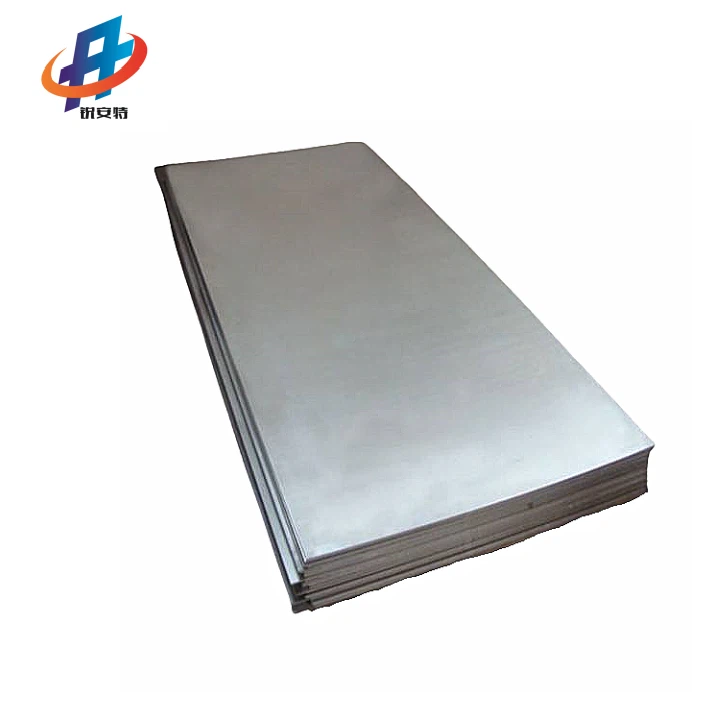
Recycling Rate of OT4 Titanium Sheet
The recycling rate of OT4 titanium sheet is relatively high compared to many other metals. Titanium is a valuable resource, and recycling it offers significant economic and environmental benefits. On average, the recycling rate of titanium products, including OT4 titanium sheet, can range from 60% to 80%. However, this rate can be influenced by several factors:
1. Availability of Scrap
The amount of OT4 titanium sheet scrap available for recycling is a crucial factor. In industries where large quantities of OT4 titanium sheet are used, such as aerospace manufacturing, there is a significant amount of scrap generated during the machining and production processes. This scrap can be easily collected and recycled, contributing to a higher recycling rate.
2. Recycling Technology
The development of advanced recycling technologies has greatly improved the efficiency of titanium recycling. Modern processes can separate titanium from other metals and impurities, allowing for the production of high - quality recycled titanium. For example, the use of plasma arc melting and electron beam melting technologies can effectively recycle titanium scrap with minimal loss of material.

3. Market Demand
The demand for recycled OT4 titanium sheet also affects the recycling rate. When there is a high demand for titanium products in the market, manufacturers are more likely to invest in recycling facilities and processes. This increased demand encourages the collection and recycling of OT4 titanium sheet scrap, leading to a higher recycling rate.
4. Regulatory Environment
Government regulations and policies can play a significant role in promoting titanium recycling. In some regions, there are incentives for recycling metals, such as tax breaks or subsidies. Additionally, regulations may require manufacturers to meet certain recycling targets, which can drive up the recycling rate of OT4 titanium sheet.
The Recycling Process of OT4 Titanium Sheet
The recycling process of OT4 titanium sheet typically involves the following steps:
1. Collection
The first step is to collect the OT4 titanium sheet scrap. This can come from various sources, including manufacturing waste, end - of - life products, and surplus inventory. Scrap collectors and recycling companies play a crucial role in gathering the scrap from different locations.
2. Sorting and Cleaning
Once the scrap is collected, it needs to be sorted and cleaned. This involves removing any non - titanium materials, such as coatings, contaminants, and other metals. Sorting can be done manually or using automated systems, depending on the volume and complexity of the scrap.
3. Melting
After sorting and cleaning, the OT4 titanium sheet scrap is melted. As mentioned earlier, advanced melting technologies like plasma arc melting and electron beam melting are commonly used. These methods can melt the titanium scrap at high temperatures while minimizing oxidation and contamination.
4. Refining
The melted titanium is then refined to remove any remaining impurities. This step is essential to ensure the quality of the recycled titanium. Refining processes can include chemical treatment, vacuum distillation, and other purification techniques.
5. Casting and Forming
Once the titanium is refined, it can be cast into ingots or other forms. These ingots can then be further processed into new OT4 titanium sheets through rolling, forging, or other forming processes.
Benefits of Recycling OT4 Titanium Sheet
Recycling OT4 titanium sheet offers several benefits:
1. Environmental Benefits
Recycling titanium reduces the need for mining and extracting new titanium ore. Mining activities can have a significant impact on the environment, including deforestation, soil erosion, and water pollution. By recycling OT4 titanium sheet, we can conserve natural resources and reduce the environmental footprint associated with titanium production.
2. Energy Savings
The production of titanium from ore requires a large amount of energy. Recycling titanium scrap consumes significantly less energy compared to primary production. According to some estimates, recycling titanium can save up to 95% of the energy required for primary production.
3. Economic Benefits
Recycling OT4 titanium sheet can also provide economic benefits. The cost of producing recycled titanium is generally lower than that of producing new titanium from ore. This can lead to cost savings for manufacturers and lower prices for consumers. Additionally, the recycling industry creates jobs in collection, sorting, processing, and manufacturing.
Comparison with Other Titanium Products
When comparing the recycling rate of OT4 titanium sheet with other titanium products, such as BT20 Titanium Plate, Gr 4 Titanium Sheet, and Gr 5 Titanium Sheet, there are some similarities and differences.
All these titanium products have relatively high recycling rates due to the value of titanium and the availability of recycling technologies. However, the specific recycling rate can vary depending on the composition and application of each product. For example, BT20 titanium plate is a beta - titanium alloy, which may have different melting and refining requirements compared to the alpha - type OT4 titanium sheet. Gr 4 and Gr 5 titanium sheets are also alloyed with different elements, which can affect their recyclability.
Conclusion
In conclusion, the recycling rate of OT4 titanium sheet is relatively high, ranging from 60% to 80%, and is influenced by factors such as scrap availability, recycling technology, market demand, and regulatory environment. The recycling process involves collection, sorting, cleaning, melting, refining, and forming. Recycling OT4 titanium sheet offers significant environmental, energy, and economic benefits.
If you are in the market for high - quality OT4 titanium sheet or interested in learning more about our recycling initiatives, please feel free to contact us for procurement and further discussions. We are committed to providing the best products and services while promoting sustainable practices in the titanium industry.
References
- ASM Handbook Volume 2: Properties and Selection: Nonferrous Alloys and Special - Purpose Materials
- Titanium: A Technical Guide, Second Edition by Don Eylon
- International Titanium Association reports on titanium recycling and market trends
Send Inquiry