
What is the environmental impact of producing Gr 7 Titanium Sheet?
Oct 22, 2025
Leave a message
Hey there! I'm a supplier of Gr 7 Titanium Sheet, and today I wanna chat about the environmental impact of producing this stuff.
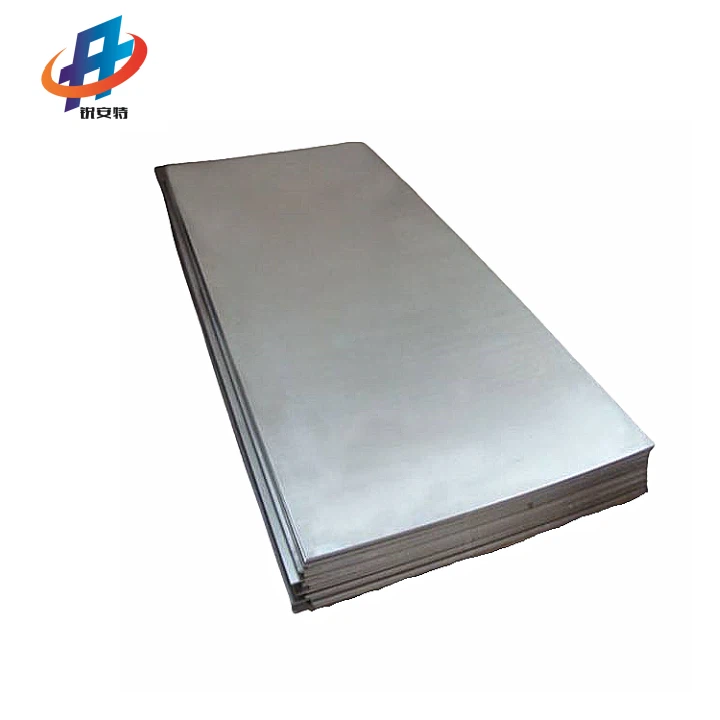
First off, let's get to know Gr 7 Titanium Sheet a bit. It's a pretty cool material. Gr 7 titanium is a titanium alloy that contains a small amount of palladium, which gives it enhanced corrosion resistance. This makes it super useful in a bunch of industries, like chemical processing, marine, and aerospace.
Now, let's dig into the environmental impact of producing it.
Mining and Extraction
The whole process starts with mining titanium ore. Titanium is the ninth - most abundant element in the Earth's crust, but getting it out of the ground ain't easy. Mining operations can have some serious environmental consequences.
One of the big issues is habitat destruction. Mines need a lot of space, and they often end up clearing large areas of forests, grasslands, or other natural habitats. This can displace wildlife, disrupt ecosystems, and lead to a loss of biodiversity. For example, if a mine is set up in a forest area, animals that depend on that forest for food and shelter will have to find new places to live, which might not be easy.
Another problem is soil erosion. When the top layer of soil is removed during mining, it becomes more vulnerable to erosion by wind and water. This can lead to sedimentation in nearby rivers and streams, which can harm aquatic life. Sediment can cover fish spawning areas, reduce water clarity, and affect the availability of food for aquatic organisms.

Water pollution is also a major concern. Mining operations use a lot of water, and this water can get contaminated with heavy metals, chemicals, and other pollutants. For instance, titanium ore processing often involves the use of acids and other chemicals, which can end up in water bodies if not properly managed. These pollutants can be toxic to plants, animals, and humans.
Energy Consumption
Producing Gr 7 Titanium Sheet requires a significant amount of energy. The extraction and refining processes are energy - intensive. For example, the Kroll process, which is commonly used to extract titanium from its ore, involves heating the ore with magnesium in a high - temperature furnace. This requires a large amount of electricity or fossil fuels.
The high energy consumption has several environmental implications. Most of the energy we use comes from non - renewable sources like coal, oil, and natural gas. Burning these fossil fuels releases greenhouse gases, such as carbon dioxide, into the atmosphere. These gases contribute to global warming and climate change. Rising global temperatures can lead to more extreme weather events, sea - level rise, and changes in precipitation patterns, which can have far - reaching impacts on the environment and human society.
Waste Generation
There's also a lot of waste generated during the production of Gr 7 Titanium Sheet. The mining and refining processes produce a variety of solid and liquid wastes. Solid wastes can include tailings, which are the leftover materials after the valuable minerals have been extracted from the ore. Tailings often contain heavy metals and other contaminants, and they need to be stored safely to prevent environmental contamination.
Liquid wastes, on the other hand, can contain acids, bases, and other chemicals. If these wastes are not treated properly, they can seep into the ground and contaminate groundwater, which is an important source of drinking water for many people.
Recycling and Sustainability
Now, the good news is that there are ways to reduce the environmental impact of producing Gr 7 Titanium Sheet. Recycling is one of the most effective solutions. Titanium is a highly recyclable material, and recycling it can significantly reduce the need for new mining and energy consumption. When titanium scrap is recycled, it can be melted down and reused to make new products, including Gr 7 Titanium Sheet.
At our company, we're committed to promoting recycling. We encourage our customers to return their titanium scrap to us, and we work with recycling facilities to ensure that this scrap is properly processed. By doing so, we can help conserve natural resources, reduce energy consumption, and minimize waste generation.
We're also looking into more sustainable production methods. For example, we're exploring the use of renewable energy sources, such as solar and wind power, in our manufacturing processes. This can help reduce our carbon footprint and make our production more environmentally friendly.
Comparison with Other Titanium Products
It's interesting to compare the environmental impact of producing Gr 7 Titanium Sheet with other titanium products like BT20 Titanium Plate, Gr 5 Titanium Sheet, and Gr 4 Titanium Sheet.
Each of these products has its own unique production requirements and environmental impacts. For example, the alloying elements in different titanium products can affect the energy consumption and waste generation during production. Gr 7 Titanium Sheet contains palladium, which might require additional processing steps compared to some other grades. However, its enhanced corrosion resistance might also mean that products made from it have a longer lifespan, which can offset some of the environmental impacts associated with its production.
Conclusion
So, as you can see, producing Gr 7 Titanium Sheet has both positive and negative environmental impacts. While the mining, energy consumption, and waste generation aspects are concerning, there are also opportunities to make the production process more sustainable.
At our company, we're constantly working to minimize our environmental footprint. We're investing in research and development to find better production methods, promoting recycling, and looking for ways to use renewable energy.
If you're in the market for Gr 7 Titanium Sheet or any other titanium products, we'd love to have a chat with you. We can discuss your specific needs, the environmental aspects of our products, and how we can work together to make more sustainable choices. Whether you're in the chemical processing, marine, or aerospace industry, we've got the expertise and the products to meet your requirements. So, don't hesitate to reach out and start a conversation about your procurement needs.
References
- Smith, J. (2020). "Environmental Impacts of Mining Operations." Journal of Environmental Science and Management.
- Johnson, A. (2019). "Energy Consumption in Titanium Production." International Journal of Materials Science.
- Brown, C. (2021). "Recycling of Titanium Alloys: A Review." Recycling and Sustainability Journal.
Send Inquiry