

What is the chemical composition of the BT9 Titanium Bar?
Nov 28, 2025
Leave a message
Titanium is a remarkable metal known for its high strength, low density, and excellent corrosion resistance. Among the various titanium alloys, the BT9 titanium bar stands out due to its unique chemical composition and outstanding properties. As a supplier of BT9 titanium bars, I am excited to share detailed information about its chemical makeup and how it contributes to the alloy's performance.
Chemical Composition of BT9 Titanium Bar
The BT9 titanium alloy is a complex mixture of several elements, each playing a crucial role in determining the alloy's overall characteristics. The primary elements in BT9 titanium bar and their approximate weight percentages are as follows:
- Titanium (Ti): As the base metal, titanium makes up the majority of the BT9 alloy, typically around 87 - 91%. Titanium itself is highly corrosion - resistant and has a high strength - to - weight ratio. It provides the foundation for the alloy's mechanical properties and resistance to environmental degradation.
- Aluminum (Al): Aluminum is present in the range of 5.5 - 7.0%. It acts as a strengthening element by forming a solid solution with titanium. Aluminum also helps in improving the alloy's oxidation resistance at elevated temperatures. By reducing the diffusion rate of oxygen into the alloy, it forms a protective oxide layer on the surface, preventing further oxidation.
- Vanadium (V): Vanadium is added in an amount of about 1.5 - 3.5%. It is a well - known beta - stabilizer in titanium alloys. Vanadium helps in controlling the phase transformation of titanium from the alpha phase to the beta phase during heat treatment. This allows for better control of the alloy's microstructure, which in turn affects its mechanical properties such as strength and ductility.
- Molybdenum (Mo): Molybdenum is present at approximately 2.0 - 3.0%. Similar to vanadium, it is a beta - stabilizer. Molybdenum enhances the strength and hardenability of the alloy. It also improves the alloy's resistance to pitting and crevice corrosion in aggressive environments.
- Zirconium (Zr): Zirconium is added in the range of 1.5 - 2.5%. It has a similar atomic size to titanium and can substitute for titanium in the crystal lattice. Zirconium helps in refining the grain structure of the alloy, which improves its mechanical properties, especially at high temperatures. It also enhances the alloy's resistance to stress corrosion cracking.
- Silicon (Si): Silicon is present at about 0.1 - 0.3%. It acts as a deoxidizer during the melting process and also helps in improving the alloy's creep resistance. Creep is the tendency of a material to deform slowly under a constant load over time, and silicon helps in reducing this effect.
- Iron (Fe): Iron is typically present in trace amounts, usually less than 0.3%. While it can have a negative impact on the corrosion resistance of titanium if present in large quantities, in small amounts, it can contribute to the strengthening of the alloy through solid - solution strengthening.
- Oxygen (O): Oxygen is an interstitial element in titanium alloys. In BT9, the oxygen content is usually controlled to be around 0.15 - 0.25%. Oxygen can strengthen the alloy by forming interstitial solid solutions with titanium. However, excessive oxygen can make the alloy brittle, so careful control is necessary.
How the Chemical Composition Affects Properties
The unique chemical composition of the BT9 titanium bar results in a combination of excellent properties that make it suitable for a wide range of applications.
- Mechanical Properties: The presence of aluminum, vanadium, molybdenum, and zirconium contributes to the high strength of the BT9 titanium bar. The solid - solution strengthening provided by these elements, along with the control of the alloy's microstructure through phase - stabilizing elements, allows the bar to withstand high stresses without deformation. At the same time, the alloy maintains good ductility, which is important for forming and machining operations.
- Corrosion Resistance: Titanium's inherent corrosion resistance is further enhanced by the addition of elements such as aluminum and molybdenum. The protective oxide layer formed on the surface of the alloy due to aluminum addition, along with the resistance to pitting and crevice corrosion provided by molybdenum, makes the BT9 titanium bar highly resistant to corrosion in various environments, including seawater and chemical solutions.
- High - Temperature Performance: The addition of aluminum, zirconium, and silicon improves the alloy's performance at elevated temperatures. Aluminum helps in oxidation resistance, zirconium refines the grain structure to maintain strength at high temperatures, and silicon reduces creep. This makes the BT9 titanium bar suitable for applications in aerospace and other high - temperature industries.
Applications of BT9 Titanium Bar
The BT9 titanium bar's excellent properties make it a popular choice in many industries.
- Aerospace Industry: In the aerospace sector, the high strength - to - weight ratio and high - temperature performance of the BT9 titanium bar are highly valued. It is used in the manufacturing of aircraft components such as engine parts, structural frames, and landing gear.
- Medical Industry: The corrosion resistance and biocompatibility of titanium make the BT9 titanium bar suitable for Medical Implant 10mm 12mm Titanium Bar. It can be used in the production of orthopedic implants, dental implants, and other medical devices.
- Chemical Industry: Due to its excellent corrosion resistance, the BT9 titanium bar is used in the chemical industry for equipment such as heat exchangers, reaction vessels, and pipelines. It can withstand the corrosive effects of various chemicals, ensuring long - term reliability.
Other Related Titanium Bars
In addition to the BT9 titanium bar, we also supply other types of titanium bars. For example, the Gr 1 Titanium Flat Bar is a commercially pure titanium bar with excellent formability and corrosion resistance. It is often used in applications where high strength is not the primary requirement but good corrosion resistance and ease of fabrication are important.

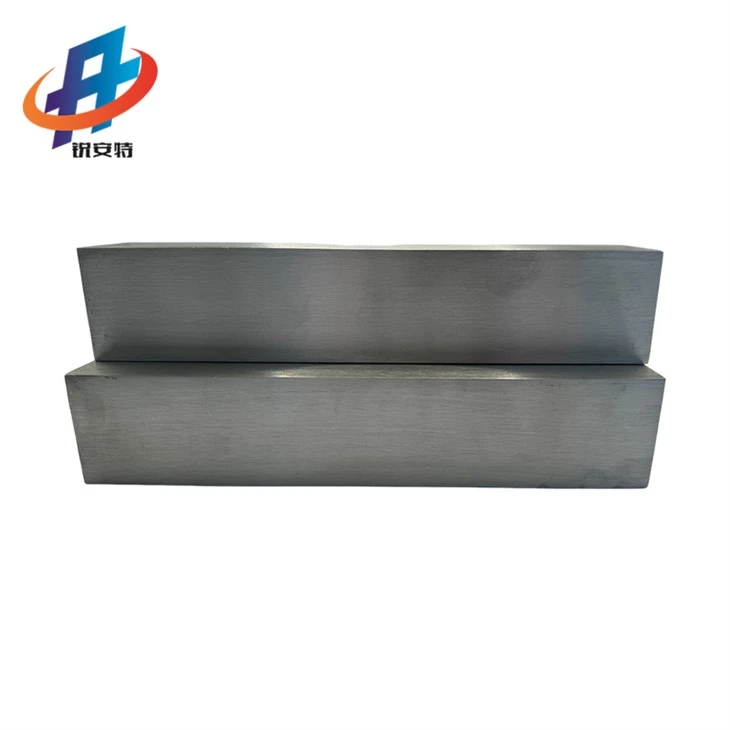
The Gr 1 Titanium Square Bar also offers similar properties to the flat bar. Its square shape makes it suitable for specific applications where a square cross - section is required, such as in the construction of frames and supports.
Contact for Procurement
If you are interested in our BT9 titanium bars or any of our other titanium products, we welcome you to contact us for procurement and further discussions. We can provide you with detailed product specifications, pricing information, and delivery options. Our team of experts is always ready to assist you in finding the most suitable titanium bar for your specific application.
References
- ASM Handbook Volume 2: Properties and Selection: Nonferrous Alloys and Special - Purpose Materials.
- Titanium Alloys: Fundamentals and Applications, edited by David Eylon, William J. Boehlert, and Paul A. Kmetko.
Send Inquiry