

How to prevent galvanic corrosion of BT20 Titanium Plate?
Sep 03, 2025
Leave a message
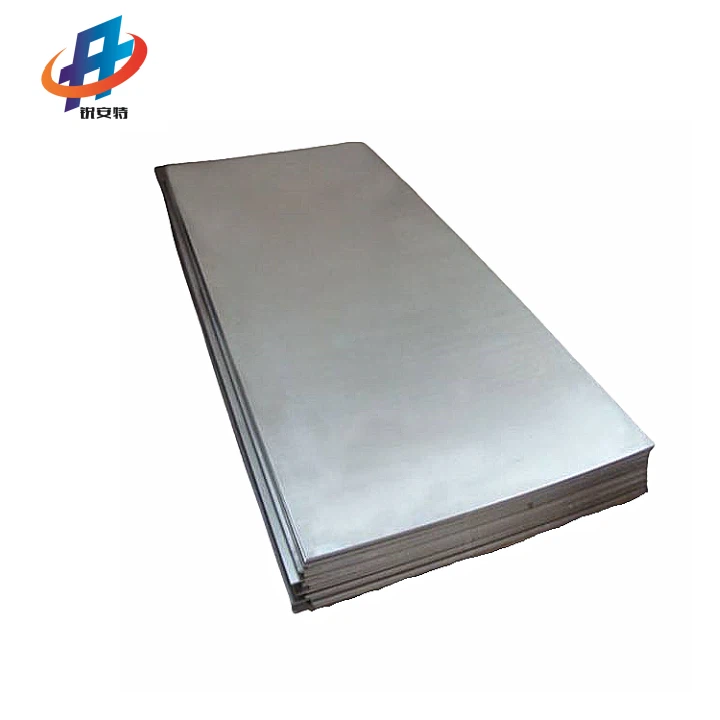
Hey there! I'm a supplier of BT20 Titanium Plate, and I know firsthand how frustrating galvanic corrosion can be. It can eat away at your precious titanium plates, reducing their lifespan and performance. But don't worry! In this blog post, I'm gonna share some practical tips on how to prevent galvanic corrosion of BT20 Titanium Plate.
Understanding Galvanic Corrosion
First things first, let's talk about what galvanic corrosion is. Galvanic corrosion occurs when two different metals are in contact with each other in the presence of an electrolyte, like water or saltwater. This creates an electrical circuit, and the more active metal (the anode) corrodes while the less active metal (the cathode) remains relatively protected.
BT20 Titanium Plate is a high - strength titanium alloy, but it's not immune to galvanic corrosion. When it comes into contact with certain metals, especially those that are more anodic, it can start to corrode.
Selecting Compatible Metals
One of the most effective ways to prevent galvanic corrosion is to be careful about which metals you pair with your BT20 Titanium Plate. You want to avoid direct contact between BT20 Titanium and metals that are significantly more anodic.
For example, steels and aluminum alloys are more anodic compared to titanium. If possible, try to use other titanium alloys that are more compatible with BT20. We offer Gr 4 Titanium Sheet, Gr 12 Titanium Sheet, and Gr 5 Titanium Sheet. These alloys have similar electrochemical properties to BT20, so they're less likely to cause galvanic corrosion when in contact.
Using Insulating Materials
If you absolutely need to use a different metal in conjunction with your BT20 Titanium Plate, you can use insulating materials to separate them. Rubber gaskets, plastic films, or ceramic coatings can act as barriers between the two metals, preventing the formation of an electrical circuit.
For example, when you're assembling a structure that involves BT20 Titanium and a steel component, you can place a rubber gasket between them. This simple step can go a long way in preventing galvanic corrosion.
Surface Treatment
Proper surface treatment can also help protect your BT20 Titanium Plate from galvanic corrosion. Anodizing is a popular method. It creates a protective oxide layer on the surface of the titanium, which can act as a barrier against corrosion.
Another option is to apply a corrosion - resistant coating. There are various types of coatings available, such as epoxy coatings or zinc - rich primers. These coatings can provide an extra layer of protection and reduce the risk of galvanic corrosion.
Controlling the Environment
The environment plays a big role in galvanic corrosion. High humidity, saltwater, and acidic conditions can all accelerate the corrosion process. If possible, try to control the environment where your BT20 Titanium Plate is used.
For outdoor applications, you can use shelters or enclosures to protect the plates from rain and salt spray. In industrial settings, you can monitor and control the humidity and chemical composition of the air.
Regular Inspection and Maintenance
Regular inspection is crucial for detecting and preventing galvanic corrosion. You should visually inspect your BT20 Titanium Plate on a regular basis for any signs of corrosion, such as discoloration, pitting, or flaking.
If you notice any early signs of corrosion, you can take immediate action. This might involve cleaning the surface, reapplying coatings, or replacing damaged components. Maintenance also includes keeping the surface of the titanium plate clean and dry, as dirt and moisture can promote corrosion.
Conclusion
Preventing galvanic corrosion of BT20 Titanium Plate is all about being proactive. By selecting compatible metals, using insulating materials, applying proper surface treatments, controlling the environment, and performing regular inspections, you can significantly extend the lifespan of your titanium plates.
If you're in the market for high - quality BT20 Titanium Plate or have any questions about preventing galvanic corrosion, I'd love to hear from you. Let's start a conversation about your specific needs and how we can provide the best solutions for you.

References
- Jones, D. A. (1992). Principles and Prevention of Corrosion. Prentice Hall.
- Fontana, M. G. (1986). Corrosion Engineering. McGraw - Hill.
Send Inquiry