

How to optimize the cutting process of Gr 4 Titanium Sheet?
Jul 10, 2025
Leave a message
Hey there! As a supplier of Gr 4 Titanium Sheet, I've got a ton of experience with the cutting process. And let me tell you, optimizing it can make a huge difference in terms of efficiency, cost, and the quality of the final product. So, in this blog, I'm gonna share some tips and tricks on how to optimize the cutting process of Gr 4 Titanium Sheet.
Understanding Gr 4 Titanium Sheet
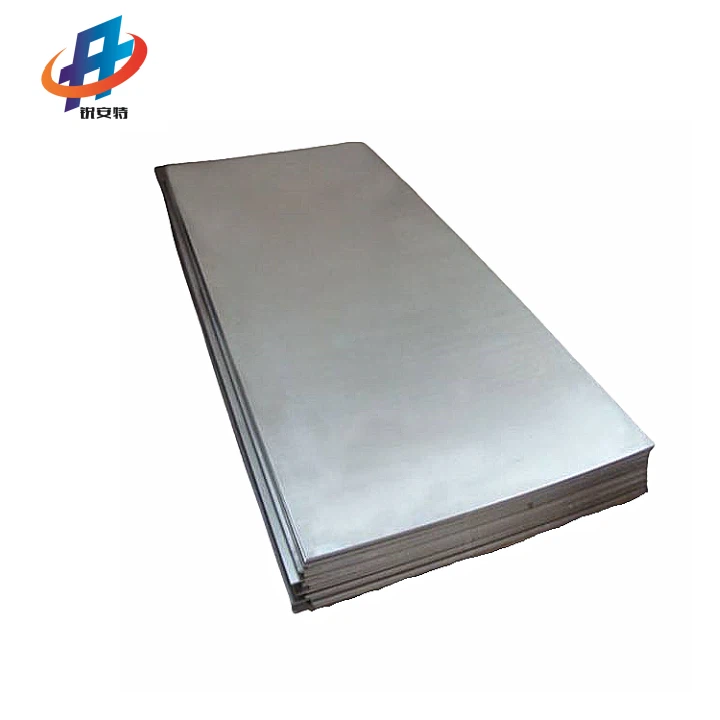
First things first, let's talk a bit about Gr 4 Titanium Sheet. It's a high - strength, low - density titanium alloy that's known for its excellent corrosion resistance. These properties make it a popular choice in a variety of industries, including aerospace, medical, and marine. But because of its unique characteristics, cutting Gr 4 Titanium Sheet can be a bit of a challenge.
Choosing the Right Cutting Method
There are several cutting methods available for Gr 4 Titanium Sheet, and each has its own pros and cons.
Plasma Cutting
Plasma cutting is a popular choice for cutting Gr 4 Titanium Sheet. It uses a high - velocity jet of ionized gas to melt and blow away the metal. One of the biggest advantages of plasma cutting is its speed. It can cut through thick sheets relatively quickly. However, it can also create a rough edge, which might require some post - processing.
Laser Cutting
Laser cutting, on the other hand, offers a high level of precision. It uses a focused laser beam to melt and vaporize the metal. This method is great for cutting complex shapes and thin sheets. But it can be more expensive than plasma cutting, especially for large - scale projects.
Waterjet Cutting
Waterjet cutting is another option. It uses a high - pressure stream of water mixed with abrasive particles to cut through the metal. This method is very versatile and can cut through a wide range of thicknesses. It also doesn't generate heat, which means there's no risk of heat - affected zones. However, it can be slower than plasma or laser cutting.
So, when choosing a cutting method, you need to consider factors like the thickness of the sheet, the complexity of the shape, your budget, and the required level of precision.
Preparing the Sheet
Before you start cutting, it's important to prepare the Gr 4 Titanium Sheet properly.
Cleaning
First, clean the sheet to remove any dirt, grease, or oxide layers. You can use a mild detergent and a soft cloth to do this. A clean surface ensures better cutting performance and reduces the risk of defects.
Marking
Next, mark the cutting lines on the sheet. You can use a scribe or a marker for this. Make sure the lines are straight and accurate. If you're cutting a complex shape, you might want to use a template or a CAD design.
Setting the Cutting Parameters
Once you've chosen the cutting method and prepared the sheet, it's time to set the cutting parameters. These parameters can vary depending on the cutting method, the thickness of the sheet, and the type of equipment you're using.
Plasma Cutting Parameters
For plasma cutting, you need to adjust the amperage, the cutting speed, and the gas pressure. A higher amperage can cut through thicker sheets, but it can also increase the risk of over - cutting. The cutting speed should be adjusted so that the plasma torch can melt the metal evenly. And the gas pressure needs to be set to ensure a stable plasma arc.
Laser Cutting Parameters
In laser cutting, you need to set the power, the cutting speed, and the focal length. The power determines how much energy the laser beam has, and it should be adjusted according to the thickness of the sheet. The cutting speed affects the quality of the cut, and the focal length determines the size of the laser spot on the sheet.
Waterjet Cutting Parameters
When using waterjet cutting, you need to adjust the water pressure, the abrasive flow rate, and the cutting speed. A higher water pressure can cut through thicker sheets, but it can also cause more wear on the nozzle. The abrasive flow rate affects the cutting efficiency, and the cutting speed should be adjusted to get a smooth cut.

Maintaining the Cutting Equipment
Regular maintenance of the cutting equipment is crucial for optimizing the cutting process.
Plasma Cutting Equipment
For plasma cutting equipment, you need to clean the torch regularly to prevent clogging. Check the electrodes and nozzles for wear and replace them when necessary. Also, make sure the cooling system is working properly to prevent overheating.
Laser Cutting Equipment
In laser cutting equipment, you need to keep the lens clean and aligned. Check the laser source regularly to ensure it's producing a stable beam. And lubricate the moving parts to prevent friction and wear.
Waterjet Cutting Equipment
For waterjet cutting equipment, you need to check the pump for leaks and maintain the proper water pressure. Clean the abrasive tank and the mixing chamber to prevent blockages. And replace the nozzle when it shows signs of wear.
Post - Cutting Processing
After cutting the Gr 4 Titanium Sheet, you might need to do some post - cutting processing.
Deburring
If the cutting method has left a rough edge, you'll need to deburr the sheet. You can use a file, a grinder, or a deburring machine for this. A smooth edge not only looks better but also reduces the risk of injury during handling.
Surface Finishing
You might also want to do some surface finishing, depending on the application. For example, you could polish the sheet to give it a shiny appearance or apply a protective coating to enhance its corrosion resistance.
Comparing with Other Titanium Sheets
It's also worth comparing Gr 4 Titanium Sheet with other popular titanium sheets like Gr 5 Titanium Sheet and Gr 7 Titanium Sheet.
Gr 5 Titanium Sheet, also known as Ti - 6Al - 4V, is stronger than Gr 4 but might be more difficult to cut due to its alloying elements. Gr 5 Titanium Sheet is widely used in aerospace applications because of its high strength - to - weight ratio.
Gr 7 Titanium Sheet, on the other hand, has excellent corrosion resistance, especially in environments with chloride ions. When it comes to cutting, the same general principles apply, but you might need to adjust the cutting parameters slightly to account for the differences in material properties.
Conclusion
Optimizing the cutting process of Gr 4 Titanium Sheet requires a combination of choosing the right cutting method, preparing the sheet properly, setting the correct cutting parameters, maintaining the equipment, and doing appropriate post - cutting processing. By following these tips, you can improve the efficiency, quality, and cost - effectiveness of your cutting operations.
If you're in the market for high - quality Gr 4 Titanium Sheet or have any questions about the cutting process, feel free to reach out. We're here to help you with all your titanium sheet needs and can discuss your specific requirements for a successful project.
References
- ASM Handbook, Volume 6: Welding, Brazing, and Soldering
- Modern Machining Technology: An Introduction to Manufacturing Processes and Equipment
- Titanium: A Technical Guide, Second Edition
Send Inquiry