

How to ensure the dimensional accuracy of Gr 4 Titanium Sheet?
Jul 18, 2025
Leave a message
Ensuring the dimensional accuracy of Gr 4 Titanium Sheet is of utmost importance in various industries, including aerospace, medical, and chemical processing. As a trusted supplier of Gr 4 Titanium Sheet, I understand the significance of providing high - quality products that meet strict dimensional requirements. In this blog, I will share some key strategies and best practices to ensure the dimensional accuracy of Gr 4 Titanium Sheet.
1. Raw Material Selection
The journey to achieving dimensional accuracy starts with the careful selection of raw materials. High - purity titanium is the foundation for producing Gr 4 Titanium Sheet. When choosing the raw titanium, we should pay attention to its chemical composition. Gr 4 Titanium is an unalloyed titanium with relatively high oxygen content, which provides good strength. Any deviation in the chemical composition can affect the mechanical properties and processing performance of the titanium, ultimately influencing the dimensional accuracy.
We source our raw materials from reliable suppliers who have a proven track record of providing consistent and high - quality titanium. By conducting strict incoming inspections, including chemical analysis and mechanical property testing, we can ensure that the raw materials meet the required standards for Gr 4 Titanium. This step is crucial as it sets the stage for the subsequent manufacturing processes.
2. Precision Manufacturing Processes
Hot Rolling
Hot rolling is one of the primary processes in the production of Gr 4 Titanium Sheet. During hot rolling, the titanium billet is heated to a specific temperature range and then passed through a series of rolling mills. To ensure dimensional accuracy, precise control of the rolling temperature, rolling speed, and reduction ratio is essential.
The rolling temperature affects the plasticity of the titanium. If the temperature is too high, the titanium may experience excessive grain growth, which can lead to uneven deformation and dimensional instability. On the other hand, if the temperature is too low, the titanium may be difficult to deform, resulting in cracking or incomplete rolling. We use advanced temperature control systems to maintain the optimal rolling temperature throughout the process.
The rolling speed also plays a vital role. A consistent and appropriate rolling speed helps to ensure uniform deformation of the titanium sheet. Additionally, the reduction ratio, which is the ratio of the thickness reduction in each pass, needs to be carefully calculated and controlled. By adjusting the reduction ratio in each rolling pass, we can gradually achieve the desired thickness and width of the Gr 4 Titanium Sheet.
Cold Rolling
After hot rolling, cold rolling is often carried out to further improve the surface finish and dimensional accuracy of the Gr 4 Titanium Sheet. Cold rolling involves passing the hot - rolled sheet through a cold - rolling mill at room temperature. This process can reduce the thickness of the sheet more precisely and improve its flatness.
During cold rolling, we use high - precision rolling mills equipped with advanced sensors and control systems. These systems can monitor and adjust the rolling force, rolling speed, and sheet tension in real - time. By maintaining a stable rolling force and tension, we can minimize the occurrence of thickness variations and shape defects in the Gr 4 Titanium Sheet.
Annealing
Annealing is a heat - treatment process that is used to relieve internal stresses and improve the mechanical properties of the Gr 4 Titanium Sheet. After cold rolling, the sheet may have internal stresses that can cause dimensional changes over time. Annealing helps to eliminate these stresses and stabilize the dimensions of the sheet.
We carefully control the annealing temperature, time, and cooling rate during the annealing process. Different annealing parameters are used depending on the thickness and specific requirements of the Gr 4 Titanium Sheet. By optimizing the annealing process, we can ensure that the sheet has the desired hardness, ductility, and dimensional stability.
3. Advanced Quality Control Systems
In - process Inspection
Throughout the manufacturing process, in - process inspection is carried out to monitor the dimensional accuracy of the Gr 4 Titanium Sheet. We use a variety of measuring tools, such as calipers, micrometers, and laser scanners, to measure the thickness, width, length, and flatness of the sheet at different stages of production.
For example, during hot rolling, we measure the thickness of the sheet at regular intervals to ensure that it is within the specified tolerance range. If any deviations are detected, immediate adjustments are made to the rolling parameters. Similarly, during cold rolling and annealing, in - process inspections help us to identify and correct any potential dimensional issues in a timely manner.
Final Inspection
Before the Gr 4 Titanium Sheet is shipped to the customer, a comprehensive final inspection is conducted. This inspection includes a detailed measurement of all critical dimensions, as well as a visual inspection for surface defects. We compare the measured dimensions with the customer's specifications and the relevant industry standards.
In addition to dimensional measurements, we also perform non - destructive testing, such as ultrasonic testing and eddy - current testing, to detect any internal defects in the Gr 4 Titanium Sheet. Only when the sheet passes all the inspection criteria can it be considered a qualified product and be released for shipment.
4. Storage and Transportation
Proper storage and transportation are also important factors in ensuring the dimensional accuracy of Gr 4 Titanium Sheet. During storage, the sheets should be stored in a dry and clean environment to prevent corrosion and damage. They should be stacked in a stable manner to avoid deformation.
When transporting the Gr 4 Titanium Sheet, special care should be taken to protect it from mechanical damage and excessive vibration. We use appropriate packaging materials, such as wooden pallets and plastic wraps, to ensure that the sheets are well - protected during transportation. By minimizing the impact of external factors during storage and transportation, we can maintain the dimensional accuracy of the Gr 4 Titanium Sheet until it reaches the customer.
Comparison with Other Titanium Sheets
It's worth noting that different grades of titanium sheets, such as Gr 5 Titanium Sheet and Gr 12 Titanium Sheet, have different properties and manufacturing requirements. While the general principles of ensuring dimensional accuracy are similar, the specific processes and parameters may vary.

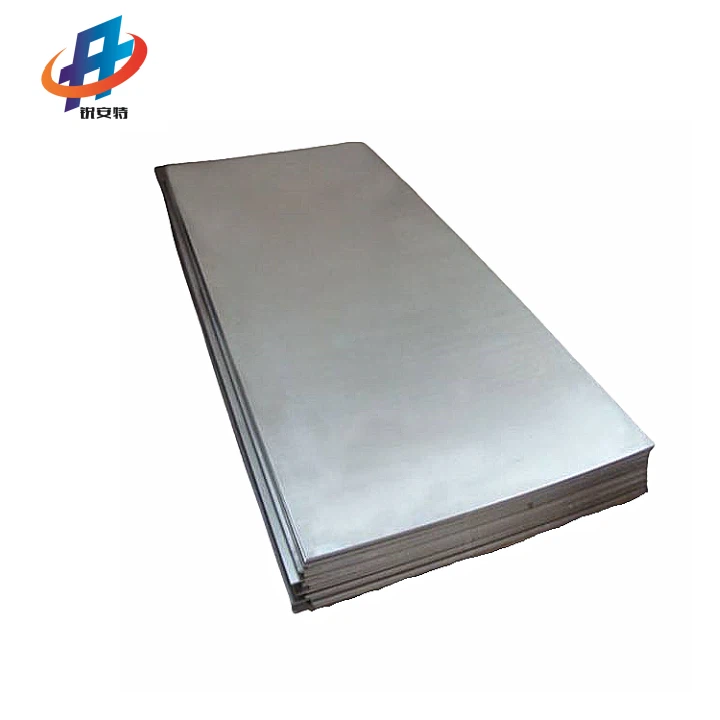
Gr 5 Titanium Sheet, for example, is an alloyed titanium sheet with higher strength and better corrosion resistance than Gr 4 Titanium Sheet. The manufacturing processes for Gr 5 Titanium Sheet may require more precise control of the alloying elements and heat - treatment processes to ensure its dimensional accuracy and performance.
Gr 12 Titanium Sheet, which contains aluminum and molybdenum, has good weldability and formability. The production of Gr 12 Titanium Sheet also requires careful attention to the manufacturing processes to achieve the desired dimensional accuracy.
Conclusion
Ensuring the dimensional accuracy of Gr 4 Titanium Sheet is a complex and multi - step process that requires strict control at every stage, from raw material selection to storage and transportation. As a supplier of Gr 4 Titanium Sheet, we are committed to providing our customers with high - quality products that meet their strict dimensional requirements.
By using advanced manufacturing processes, precision measuring tools, and comprehensive quality control systems, we can produce Gr 4 Titanium Sheet with excellent dimensional accuracy and surface finish. Whether you are in the aerospace, medical, or chemical processing industry, our Gr 4 Titanium Sheet can meet your specific needs.
If you are interested in purchasing Gr 4 Titanium Sheet or have any questions about its dimensional accuracy and quality, please feel free to contact us. We look forward to the opportunity to discuss your requirements and provide you with the best solutions.
References
- ASM Handbook Volume 2: Properties and Selection: Nonferrous Alloys and Special - Purpose Materials.
- Titanium: A Technical Guide, Second Edition by John C. Williams.
- ASTM Standards for Titanium and Titanium Alloys.
Send Inquiry