

Is BT9 Titanium Plate environmentally friendly?
Aug 25, 2025
Leave a message
In the contemporary era, environmental friendliness has become a crucial factor in the evaluation of materials across various industries. As a supplier of BT9 Titanium Plate, I am frequently asked about the environmental impact of this product. This blog aims to explore whether BT9 Titanium Plate is environmentally friendly by examining its production process, properties, and end - of - life management.
Production Process of BT9 Titanium Plate
The production of BT9 Titanium Plate is a complex process that involves several stages. Titanium is primarily extracted from titanium ores such as ilmenite and rutile. The extraction process typically begins with the mining of these ores, which can have significant environmental impacts. Mining activities often lead to deforestation, soil erosion, and the disruption of local ecosystems. Additionally, the use of heavy machinery and energy - intensive processes in mining can result in high greenhouse gas emissions.
However, modern mining techniques have been developed to minimize these environmental impacts. For example, some mining companies are implementing reforestation programs to restore the natural habitats affected by mining operations. Moreover, the use of more energy - efficient equipment and renewable energy sources in the mining process can help reduce carbon emissions.
After the extraction of titanium ores, they are processed to obtain titanium sponge through the Kroll process. This process involves the reduction of titanium tetrachloride with magnesium. The Kroll process is energy - intensive and generates a large amount of waste, including magnesium chloride and unreacted magnesium. These waste products need to be properly managed to prevent environmental pollution.
Once the titanium sponge is obtained, it is melted and alloyed with other elements to produce BT9 Titanium Plate. The melting process also requires a significant amount of energy, usually from electricity or fossil fuels. However, advancements in melting technology, such as the use of electric arc furnaces with high energy efficiency, have helped reduce the energy consumption and environmental impact of this stage.
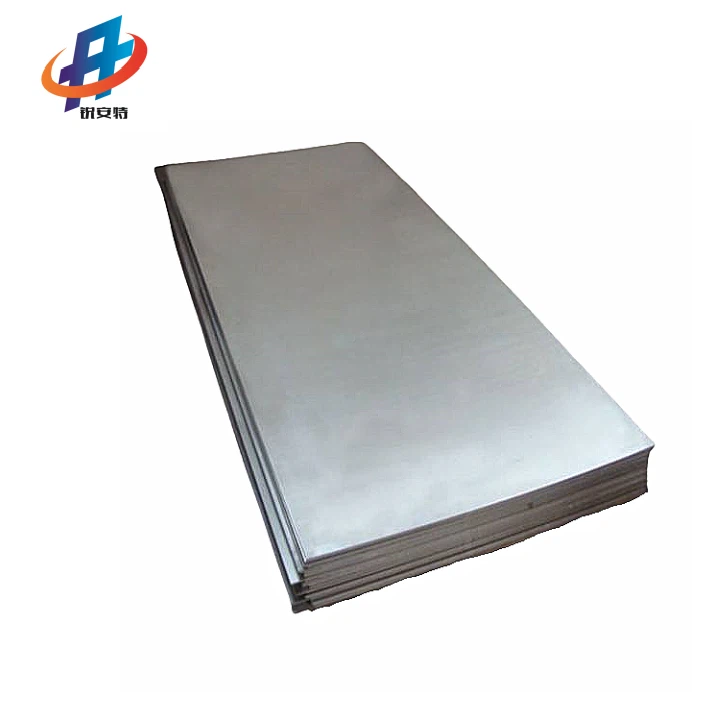

Properties of BT9 Titanium Plate and Environmental Benefits
BT9 Titanium Plate has several properties that contribute to its potential environmental friendliness. Firstly, titanium is a highly corrosion - resistant metal. This means that BT9 Titanium Plate can be used in applications where it is exposed to harsh environments, such as marine and chemical industries, without the need for frequent replacement. As a result, less material is consumed over time, reducing the overall demand for raw materials and the environmental impact associated with their extraction and processing.
Secondly, BT9 Titanium Plate has a high strength - to - weight ratio. This property allows for the design of lighter structures in various industries, such as aerospace and automotive. Lighter structures require less energy to operate, whether it is in the form of fuel for vehicles or power for aircraft. By reducing energy consumption, BT9 Titanium Plate indirectly helps to reduce greenhouse gas emissions and the dependence on fossil fuels.
In addition, titanium is a biocompatible material, which means it can be used in medical applications without causing adverse reactions in the human body. This property is particularly important in the field of medical implants, where the use of BT9 Titanium Plate can improve the quality of life for patients. Moreover, the long - term durability of titanium implants reduces the need for repeated surgeries and the associated consumption of medical materials.
End - of - Life Management of BT9 Titanium Plate
The end - of - life management of BT9 Titanium Plate is another important aspect to consider when evaluating its environmental friendliness. Titanium is a highly recyclable material. At the end of its useful life, BT9 Titanium Plate can be recycled and reused to produce new titanium products. Recycling titanium requires significantly less energy compared to the production of new titanium from raw materials. According to some studies, recycling titanium can save up to 95% of the energy required for primary production.
The recycling process of BT9 Titanium Plate involves the collection, sorting, and melting of scrap titanium. The sorted scrap is then melted in an electric arc furnace and refined to remove impurities. The recycled titanium can be used to produce new BT9 Titanium Plate or other titanium products, closing the material loop and reducing the demand for virgin titanium.
Comparison with Other Titanium Alloys
When discussing the environmental friendliness of BT9 Titanium Plate, it is also interesting to compare it with other titanium alloys. For example, Gr 5 Titanium Sheet is one of the most widely used titanium alloys. It has similar corrosion - resistant and high - strength properties as BT9 Titanium Plate. However, the specific alloying elements and production processes of Gr 5 Titanium Sheet may result in different environmental impacts.
Another alloy is Gr 23 Titanium Sheet, which is commonly used in medical applications due to its excellent biocompatibility. Similar to BT9 Titanium Plate, Gr 23 Titanium Sheet can also reduce the need for material replacement in medical implants, contributing to environmental protection.
OT4 Titanium Sheet is a titanium alloy with good weldability and formability. Its environmental impact is also related to its production process and end - of - life management. Each of these titanium alloys has its own characteristics and environmental considerations, and the choice of alloy depends on the specific application requirements.
Conclusion and Call to Action
In conclusion, while the production of BT9 Titanium Plate has some environmental challenges, such as energy consumption and waste generation, its properties and potential for recycling make it a relatively environmentally friendly material. The corrosion resistance and high strength - to - weight ratio of BT9 Titanium Plate reduce the need for material replacement and energy consumption in various applications. Additionally, the recyclability of titanium helps to close the material loop and conserve natural resources.
As a supplier of BT9 Titanium Plate, we are committed to minimizing the environmental impact of our products. We continuously invest in research and development to improve the production process, reduce energy consumption, and enhance waste management. We also encourage our customers to properly manage the end - of - life of BT9 Titanium Plate through recycling.
If you are interested in purchasing BT9 Titanium Plate or have any questions about its environmental friendliness and applications, please feel free to contact us for further discussion and procurement negotiation. We look forward to providing you with high - quality products and professional services.
References
- Jones, D. A. (2013). Principles of Titanium Alloy Design and Development. Woodhead Publishing.
- Lütjering, G., & Williams, J. C. (2007). Titanium. Springer.
- ASM International. (2000). ASM Handbook: Volume 2: Properties and Selection: Nonferrous Alloys and Special - Purpose Materials. ASM International.
Send Inquiry