

How to improve the weldability of titanium alloy plates?
Jul 07, 2025
Leave a message
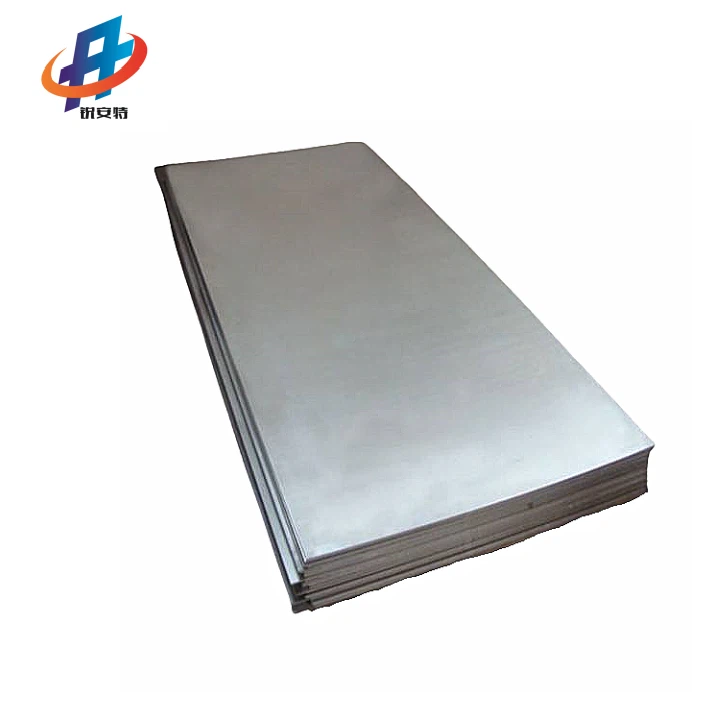
As a supplier of titanium alloy plates, I understand the critical importance of weldability in various industrial applications. Titanium alloys are renowned for their high strength-to-weight ratio, excellent corrosion resistance, and biocompatibility, making them a popular choice in aerospace, automotive, medical, and marine industries. However, welding titanium alloy plates can be challenging due to their unique physical and chemical properties. In this blog, I will share some effective strategies to improve the weldability of titanium alloy plates.
Understanding the Challenges of Welding Titanium Alloys
Before delving into the solutions, it's essential to understand the challenges associated with welding titanium alloys. Titanium has a high affinity for oxygen, nitrogen, and hydrogen at elevated temperatures, which can lead to the formation of brittle intermetallic compounds and porosity in the weld zone. These defects can significantly reduce the mechanical properties and corrosion resistance of the welded joints. Additionally, titanium alloys have a relatively low thermal conductivity, which can cause excessive heat buildup during welding, leading to distortion and residual stresses.
Pre-Welding Preparation
Proper pre-welding preparation is crucial to ensure the quality of the welded joints. Here are some key steps to follow:
Material Selection
Choose the appropriate titanium alloy grade based on the specific application requirements. Different titanium alloys have different compositions and properties, which can affect their weldability. For example, Gr 23 Titanium Sheet is a popular choice for medical applications due to its excellent biocompatibility and high strength, while BT20 Titanium Plate is commonly used in aerospace applications for its high-temperature strength and corrosion resistance.
Surface Cleaning
Thoroughly clean the surface of the titanium alloy plates to remove any contaminants, such as oil, grease, dirt, and oxide layers. Contaminants can react with the titanium during welding, leading to the formation of defects. Use a suitable cleaning agent, such as acetone or isopropyl alcohol, and a clean cloth or brush to clean the surface. After cleaning, dry the plates thoroughly to prevent the introduction of moisture.
Edge Preparation
Prepare the edges of the titanium alloy plates to ensure proper fit-up and penetration during welding. The edge preparation method depends on the thickness of the plates and the welding process used. For thin plates, a square butt joint may be sufficient, while for thicker plates, a beveled edge or a V-groove joint may be required. Use a sharp cutting tool or a machining process to prepare the edges, and ensure that the edges are straight and free of burrs.
Shielding Gas Selection
Select the appropriate shielding gas to protect the weld pool from atmospheric contamination. Argon is the most commonly used shielding gas for welding titanium alloys due to its inertness and ability to provide good protection. Helium can also be used in combination with argon to improve the heat transfer and penetration in the weld zone. The purity of the shielding gas should be at least 99.99% to ensure effective protection.

Welding Process Selection
The choice of welding process plays a significant role in the weldability of titanium alloy plates. Here are some commonly used welding processes for titanium alloys:
Gas Tungsten Arc Welding (GTAW)
GTAW, also known as TIG (Tungsten Inert Gas) welding, is a popular welding process for titanium alloys due to its precise control of the welding parameters and ability to produce high-quality welds. In GTAW, an electric arc is established between a non-consumable tungsten electrode and the workpiece, and a shielding gas is used to protect the weld pool from atmospheric contamination. GTAW is suitable for welding thin to medium-thickness titanium alloy plates and can be used for both manual and automated welding.
Gas Metal Arc Welding (GMAW)
GMAW, also known as MIG (Metal Inert Gas) welding, is another commonly used welding process for titanium alloys. In GMAW, a consumable wire electrode is fed into the weld pool, and a shielding gas is used to protect the weld pool from atmospheric contamination. GMAW is suitable for welding thicker titanium alloy plates and can provide high deposition rates. However, GMAW requires more skill and experience to control the welding parameters compared to GTAW.
Laser Beam Welding (LBW)
LBW is a high-energy density welding process that uses a laser beam to melt and join the titanium alloy plates. LBW offers several advantages, such as high welding speed, narrow heat-affected zone, and minimal distortion. However, LBW requires specialized equipment and expertise, and the cost of the equipment can be relatively high.
Welding Parameter Optimization
Optimizing the welding parameters is essential to ensure the quality of the welded joints. Here are some key welding parameters to consider:
Welding Current
The welding current determines the heat input into the weld zone and affects the penetration and fusion of the titanium alloy plates. The appropriate welding current depends on the thickness of the plates, the welding process used, and the type of titanium alloy. Generally, a higher welding current is required for thicker plates and deeper penetration, but too high a current can cause excessive heat buildup and distortion.
Welding Voltage
The welding voltage affects the arc length and the stability of the welding arc. The appropriate welding voltage depends on the welding current and the type of welding process used. A stable welding arc is essential for producing high-quality welds, and the welding voltage should be adjusted to maintain a consistent arc length.
Welding Speed
The welding speed determines the amount of time the weld pool is exposed to the heat source and affects the cooling rate of the weld zone. The appropriate welding speed depends on the thickness of the plates, the welding current, and the type of welding process used. A higher welding speed can reduce the heat input and minimize the distortion, but too high a speed can cause incomplete fusion and porosity.
Shielding Gas Flow Rate
The shielding gas flow rate determines the amount of shielding gas supplied to the weld pool and affects the protection of the weld pool from atmospheric contamination. The appropriate shielding gas flow rate depends on the welding process used, the size of the weld pool, and the welding environment. A sufficient shielding gas flow rate is essential to ensure effective protection of the weld pool, but too high a flow rate can cause turbulence and affect the stability of the welding arc.
Post-Welding Treatment
Post-welding treatment is necessary to improve the mechanical properties and corrosion resistance of the welded joints. Here are some common post-welding treatment methods:
Heat Treatment
Heat treatment can be used to relieve the residual stresses and improve the mechanical properties of the welded joints. The heat treatment process depends on the type of titanium alloy and the specific application requirements. For example, annealing can be used to reduce the hardness and improve the ductility of the welded joints, while aging can be used to increase the strength and hardness of the welded joints.
Surface Treatment
Surface treatment can be used to improve the corrosion resistance of the welded joints. The surface treatment method depends on the specific application requirements and the type of titanium alloy. For example, passivation can be used to form a protective oxide layer on the surface of the welded joints, while coating can be used to provide additional protection against corrosion.
Conclusion
Improving the weldability of titanium alloy plates requires a comprehensive approach that includes proper pre-welding preparation, selection of the appropriate welding process and parameters, and post-welding treatment. By following the strategies outlined in this blog, you can ensure the quality of the welded joints and meet the specific application requirements. As a titanium alloy plate supplier, I am committed to providing high-quality products and technical support to help you achieve the best welding results. If you have any questions or need further information, please feel free to contact us for procurement and negotiation.
References
- AWS D16.1/D16.1M:2019, Specification for Welding of Titanium and Titanium Alloys
- ASME Section IX, Welding and Brazing Qualifications
- Miller Electric Mfg. Co., "Welding Titanium: Tips and Techniques"
- Lincoln Electric Co., "Titanium Welding Guide"
Send Inquiry